
Summer Season Prep: 5 Rate Parity Checks Every Hotel Must Run Before Peak Demand
OTAs are most aggressive when your demand is highest. Here are the five parity checks every revenue manager needs to run before summer — and why most hotels skip them.

Peak season is coming. Your hotel is nearly sold out. Demand is strong. And somewhere right now, a traveler comparing your hotel against a competitor on Booking.com is seeing a rate €15 lower than your direct website — because an OTA promotional opt-in you approved six months ago is still running.
Summer is the highest-revenue period of the year for most hotels. It’s also the period of greatest parity risk. More demand means more OTA promotional activity. More promotional activity means more rate violations. More violations mean more commission paid on bookings that should have been direct.
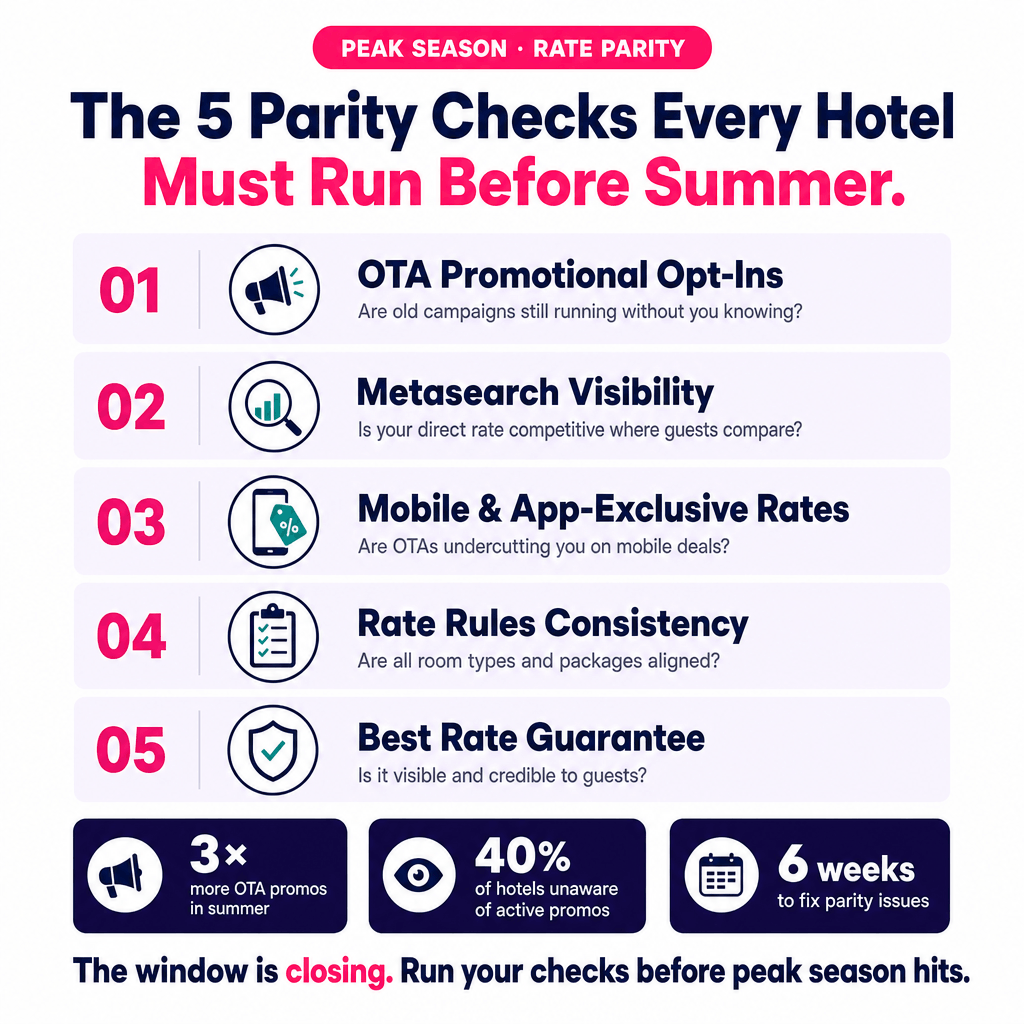
Here are the five parity checks every hotel must run before peak season.
| 3× |
| higher OTA promotional activity in summer vs. off-peak |
| 40% |
| of hotels with automated OTA promotions active don’t know they’re running |
| 6 wks |
| minimum lead time needed to resolve OTA contract parity issues |
Why Summer Is Peak Parity Risk Season
OTAs run their most aggressive promotional campaigns during high-demand periods — precisely because they know traveler intent is highest. Flash sales, loyalty member deals, app-exclusive summer offers, and last-minute discount campaigns all run simultaneously in June, July and August.
Many of these promotions are applied automatically to hotels that opted into OTA promotional programs — sometimes months ago, often during quieter periods when revenue managers were focused on filling shoulder dates rather than protecting summer margins.
Summer season preparation should include a full parity audit at least six weeks before peak check-in dates begin.

Check 1: Audit All Active OTA Promotional Opt-Ins
Check #1 — OTA Promotional Participation
Are you in promotions you forgot you joined?
Log into each OTA extranet (Booking.com, Expedia, Agoda, Hotels.com) and navigate to Promotions or Deals. Review every active promotion and verify which are running during your peak dates. Pay particular attention to: Genius/loyalty discounts, Mobile rate promotions, Last-minute deal programs, Early booker campaigns with dynamic discounts.
💡 Tip: Export the active promotions list and cross-reference against your summer rate calendar. Any promotion running during dates above 85% occupancy should be deactivated or capped.
Check 2: Verify Mobile and App Rate Parity
Check #2 — Mobile App Rates
What do OTA apps show vs. your direct website?
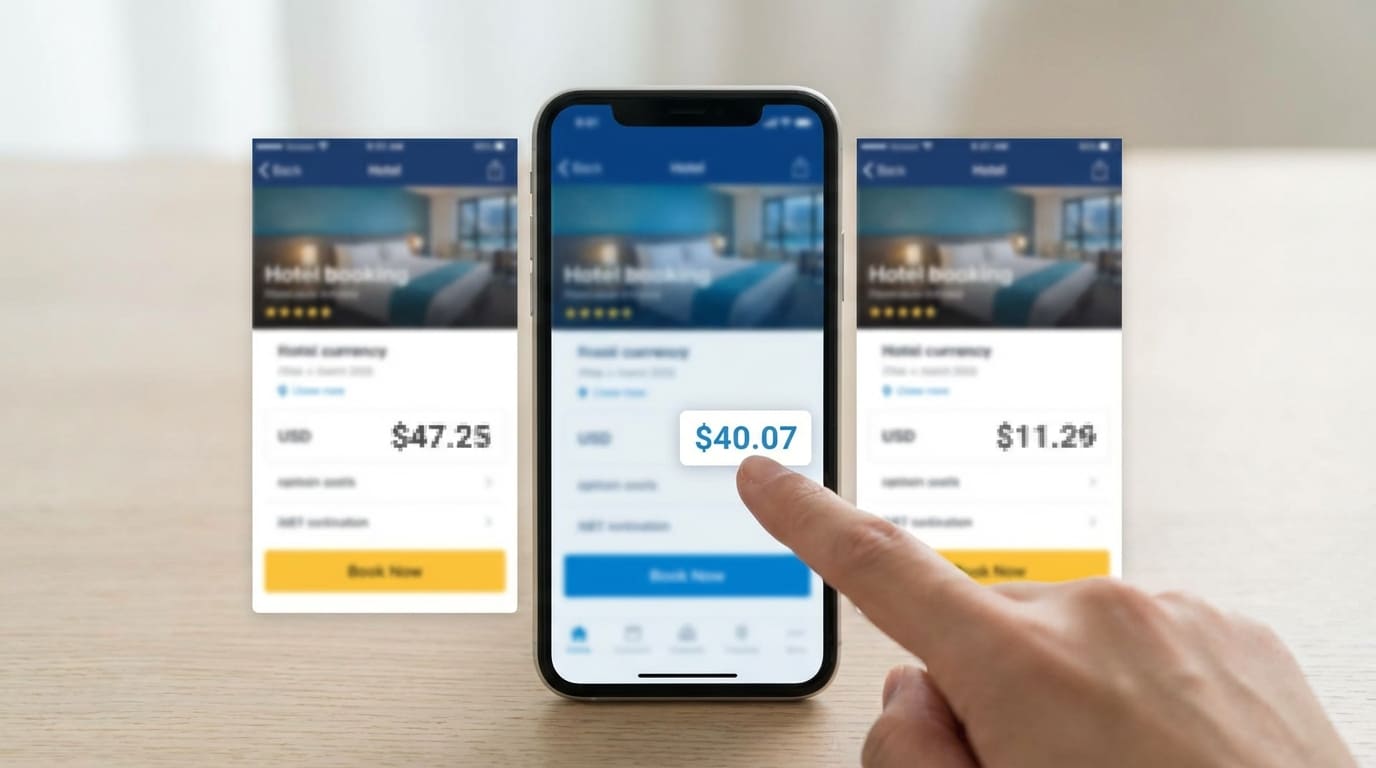
Download the Booking.com, Expedia, and Agoda apps. Search your hotel while logged out, then while logged into a standard member account. Compare the prices shown against your direct booking website for three summer dates: a weekend, a weekday, and a peak holiday date. Document any gap.
💡 Tip: App-exclusive rates are frequently 8–15% below standard OTA rates. If you find a gap, contact the OTA’s partner support with screenshots and a request to investigate.
App-exclusive OTA rates are the single fastest-growing source of parity violations — and the least visible to standard monitoring tools.
Get the Inside Scoop on Maximizing Direct Bookings!
Sign up for our newsletter and receive expert insights, tips, and updates on how to boost your direct bookings and increase your hotel’s revenue with RateParity.
Check 3: Wholesale and Bed Bank Leak Check
Check #3 — Wholesale Rate Leakage
Are wholesale rates surfacing as standalone summer bookings?
Search for your hotel on Lastminute.com, eDreams, On the Beach, and regional booking aggregators in your key source markets. Look for rates that appear lower than your public direct rate with flexible cancellation conditions — these often indicate wholesale rate leakage from bed bank contracts.
💡 Tip: Wholesale leakage is harder to resolve quickly. If found, contact your bed bank account manager immediately and request a rate audit. For long-term protection, add specific resale restrictions to new wholesale contracts.
Check 4: Member and CUG Rate Exposure
Check #4 — Closed User Group Rates
Are your member-only rates properly locked?
If you offer a member rate or direct loyalty rate on your booking engine, verify that it is configured as a closed user group rate that is NOT distributed to OTAs via your channel manager. Test by checking whether your member rate appears on any OTA platform when searched as a non-member.
💡 Tip: Your CUG rate should be genuinely better than your best OTA rate to justify direct channel registration. If it isn’t, the program loses its purpose.
Check 5: Booking Window Parity
Check #5 — Last-Minute Rate Windows
Are last-minute OTA rates undercutting your direct channel?
Check OTA rates for your hotel at 7 days, 3 days, and 1 day before arrival for your peak summer weekends. OTAs often apply last-minute discount triggers automatically — creating windows of aggressive undercutting during precisely the periods when your direct booking revenue potential is highest.
💡 Tip: Configure real-time monitoring alerts for your peak 30 days so any last-minute OTA rate change triggers an immediate notification.
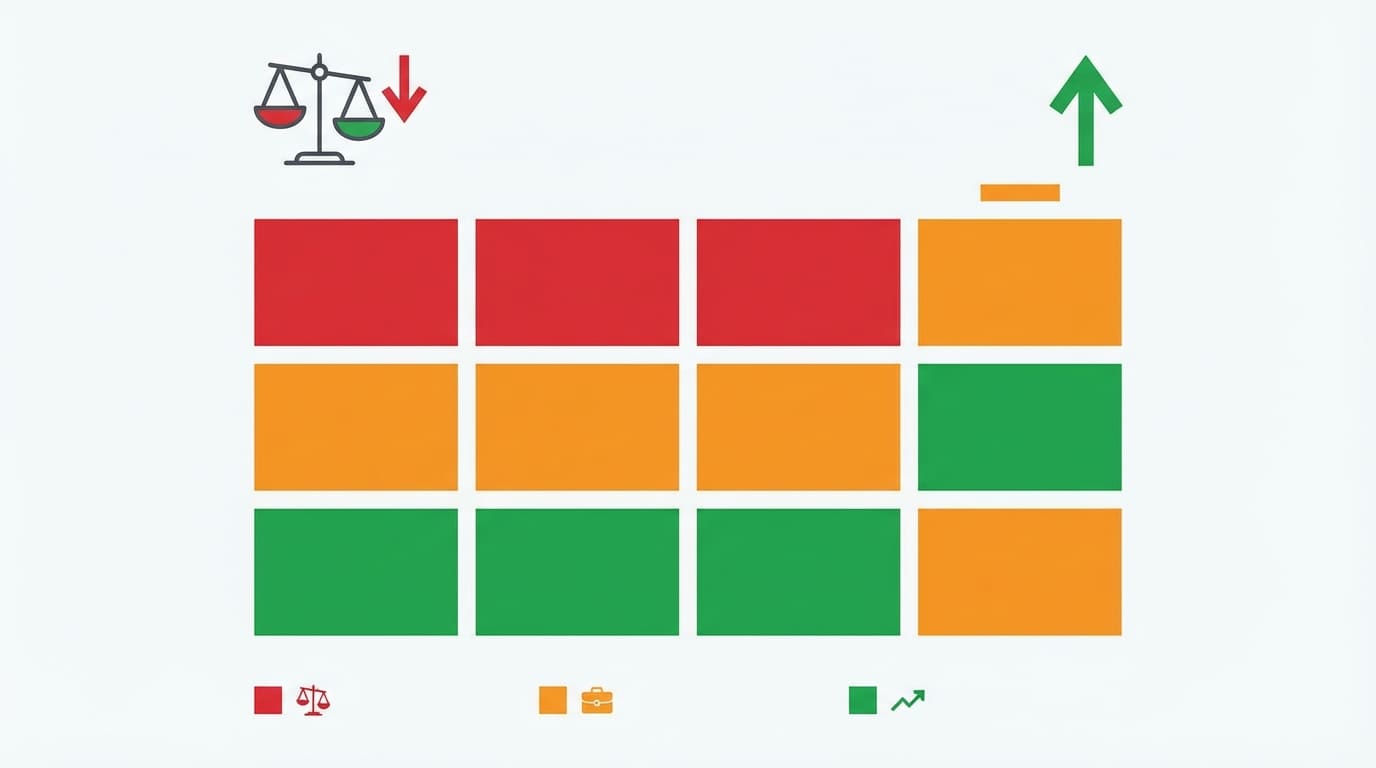

Summer peak season represents your highest-revenue opportunity — and your highest parity risk. The two are directly connected.
“The best time to fix a parity problem is six weeks before it costs you money. The worst time is after your peak season has passed and you’re reviewing why OTA commissions were so high.”
— RateParity Revenue Strategy
Ready to Take Control of Your Direct Bookings?
See how RateParity helps hotels win back revenue from OTAs.
Frequently Asked Questions
When should hotels run a summer parity audit?
At minimum 6 weeks before peak season begins — by late April or early May for summer. This gives enough time to resolve OTA contract issues, update rate configurations, and set up automated monitoring before high-demand periods.
Why are parity violations more common in summer?
OTAs run their most aggressive promotional campaigns during peak demand periods. Flash sales, app deals, and loyalty promotions are all more frequent in summer — many applied automatically to hotels that opted into OTA programs months earlier.
What is a booking window parity issue?
This occurs when your direct website shows a different price than an OTA for the same dates depending on how far in advance the booking is made. OTAs apply last-minute discount triggers automatically, creating windows of undercutting during high-intent booking periods.
How do I check mobile app rates on OTAs?
Download the OTA apps and search your hotel while logged out and then logged in as a member. Compare against your direct booking rate for the same dates. Use this test for at least Booking.com, Expedia, and Agoda.
What should I do if I find a parity violation before summer?
Document it with a timestamp and screenshot, contact the OTA’s extranet or account manager with evidence, and request immediate correction. Use your parity tool to set alerts for that channel. Repeat violations should trigger a formal dispute process.